
HVAC · Reduce the load
Cooler home. Smarter energy use.
In South Florida, air conditioning can represent a significant portion of a home's electricity consumption. That makes HVAC one of the biggest levers you have, and a decision that directly shapes the solar system your home needs.
Why efficiency matters
Every watt you don't waste is a watt you don't have to generate.
An inefficient air conditioning system may consume more electricity than it needs to. Add solar on top of that consumption and you're simply generating power to feed the waste, and paying for a larger system to do it.
That's why Eco Hive evaluates HVAC together with solar when appropriate. Reducing consumption changes the shape of your overall energy plan, and it's worth understanding that before a system is designed.
Proper system sizing
An oversized system short-cycles and handles humidity poorly. An undersized one never catches up. Sizing is done from the home, not a rule of thumb.
Rheem systems
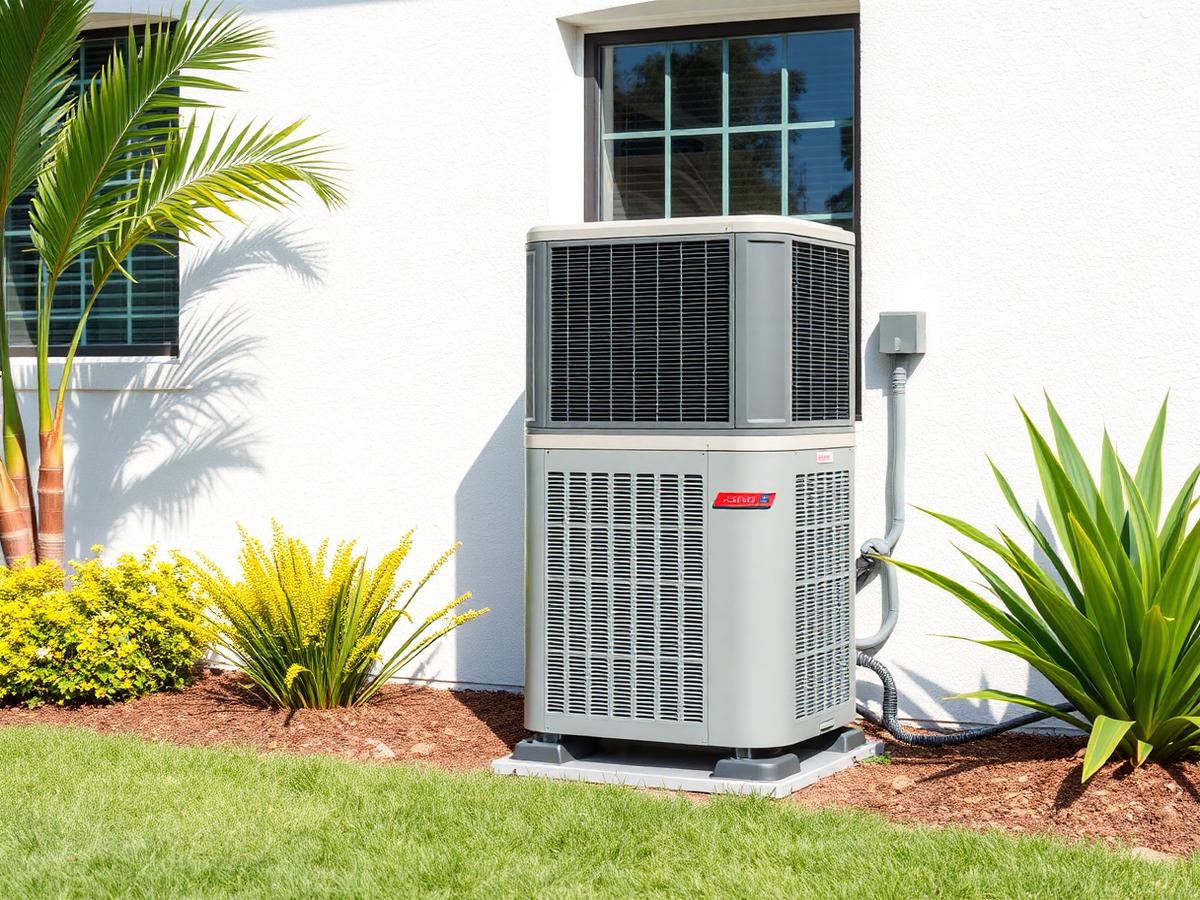
Eco Hive installs Rheem HVAC equipment. Model options, specifications and warranty documentation are provided for your specific installation.
HVAC + solar
We look at cooling load and solar design together so the system you install matches the home you'll actually be running.
HVAC financing
Financing options may be available to qualified homeowners for HVAC work, on its own or as part of a larger project.
The cooling load sequence
Reduce the load before you generate the power.
Six stages on the same cross-section used across this site, from heat arriving at the roof to the size of the solar array it ends up justifying.
Swipe to move through the stages
Stage 01 · Heat gain
The load starts outside the house
Sun on the roof, heat in the attic, humidity in the air. Before any equipment is chosen, the question is how much heat the home is actually taking on.
Illustrative only. Load, equipment selection and sizing depend on your home and a site evaluation.
Signs to watch for
When an HVAC system may be due for replacement.
None of these guarantee you need new equipment. They're the patterns worth having someone look at.
- The system runs almost constantly and still struggles to keep up on hot afternoons.
- Some rooms are noticeably warmer than others.
- Repairs are becoming more frequent or more expensive.
- The equipment is older and you don't know its efficiency.
- Humidity feels high indoors even when the temperature is set low.
- Your electric bill climbs every summer without a clear explanation.
Eco Hive does not publish manufacturer certifications, partnership claims, efficiency ratings or warranty terms on this site. Documentation for the specific Rheem equipment proposed for your home is provided with your proposal.
One plan
HVAC decisions belong in the solar conversation.
Replacing cooling equipment and adding solar in the same planning window means the system gets sized around the home's real future demand instead of its current waste.
Let's look at cooling and solar together.
One assessment, one plan, sized around how your home will actually use energy.